Apply
 Tour
 Inquire
 Affording Prep
 Giving
 Alumni
 SummerPrep
 Stay Connected
 The Prep Collective
 Prepnet Portals

Prep Helps Build a Toolkit for School Cell-Phone Policies
November 12th, 2026


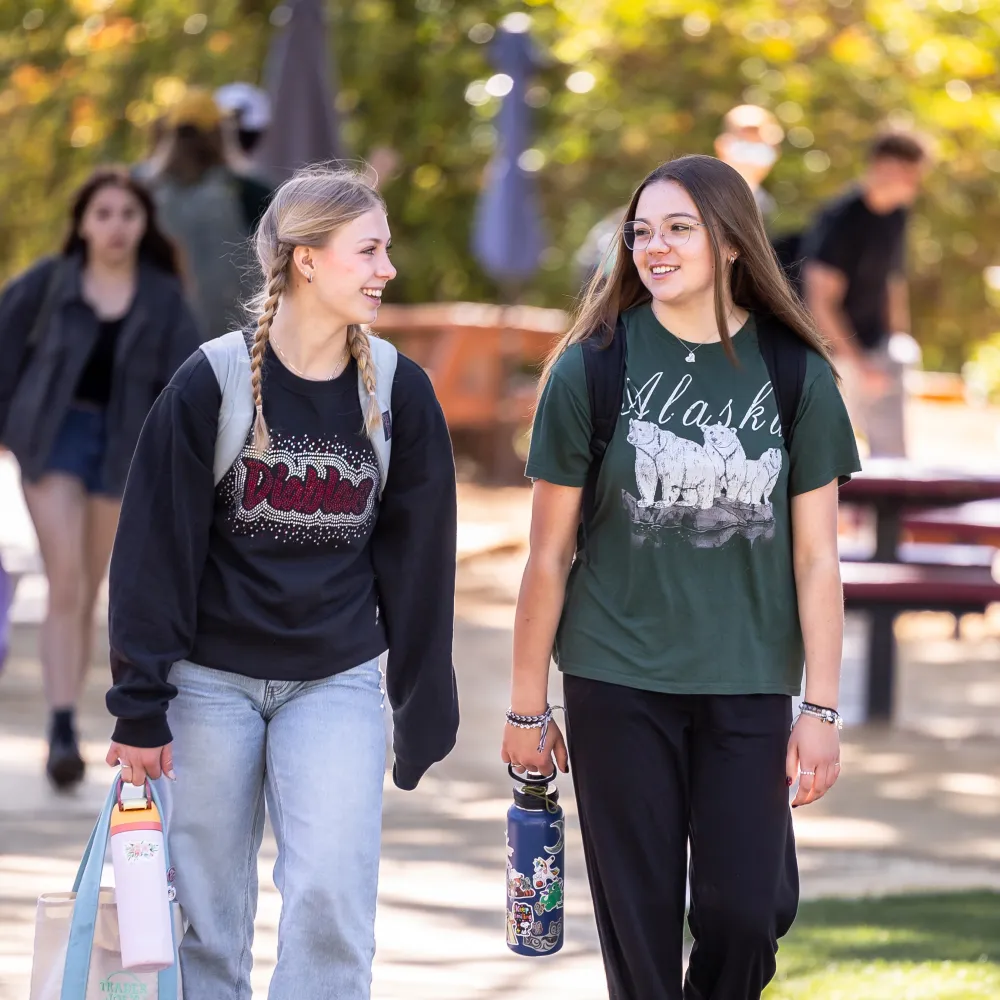
When it comes to school cell-phone policies, Sandia Prep has been at the forefront. While the 2025 New Mexico Legislature passed a law requiring all public school districts and charter schools to enforce policies restricting student use of wireless communication devices during instructional hours, Prep has limited cell-phone and smart device use on campus for middle school students for years and was working on expanding it to the upper grades when the law passed.
This school year, the bell-to-bell ban on cell phones, smartwatches, earbuds/wireless headphones, and all hand-held smart devices was expanded to high school students. From 7:50 a.m. to 3:15 p.m., these devices must be stored in backpacks or lockers and can not be used anywhere on campus during the school day.
That’s because the research supports it. And it’s why Prep was chosen last year as one of just three schools nationwide to partner with Challenge Success, a program from Stanford’s Graduate School of Education, to help develop a toolkit with students, parents and faculty for other schools to create and implement their own effective cell phone policies. The free cell phone policy resources are funded by a grant from the Young Futures Call Me Maybe Challenge.
The toolkit was featured in a webinar Oct. 28. Here are the high-level whys behind the project:
Seventy-two percent of U.S. high school teachers consider cell phone distraction a major problem in their classrooms, a concern that extends to 33% of middle school and 6% of elementary school teachers.
Fifty-three percent of school leaders report that cell phone use is negatively associated with students’ academic performance, and 72 percent and 73 percent, respectively, say phones are linked to poor student mental health and attention spans.
Excessive cell phone use has been associated with increased rates of anxiety and depression among adolescents.
Dean of Student Life Brian Tregembo has been part of the Challenge Success work, which goes beyond the cell-phone policy to strengthen student well-being on various fronts, including the development of Prep’s WYN/WIN period and the “I Wish” campaign. He says the new cell policy is a good start, as students are not on their phones at least eight hours a day.
Joining Prep on the project were Legacy Magnet Academy and La Cañada High School, both in California. While each school approached the challenge differently, Kimberly Tsai, Director of Programs at Challenge Success, has shared that what they "have in common is that they treated students as true partners in the process, not just people the policy would affect. That's the throughline we hope other schools take from this toolkit: when you center student voice and keep well-being, belonging, and engagement as your goal, you end up with policies that actually work for the students and classrooms they're meant to serve.”
The toolkit includes:
- Real stories and sample policies from the three schools,
- A research brief summarizing data on the effects of cell phone use and bans in schools,
- Practical pilot ideas, protocols and equity-centered tools schools can adapt to their own context.
“The overall well-being of our students while on campus is better when they don’t have to worry about their cell phones,” Tregembo says. Incidents like cyberbullying “are not happening on campus or interrupting the day,” amounting to a “huge win,” but “there’s still talk to be had on the healthy use of screens.”
More Sundevil News
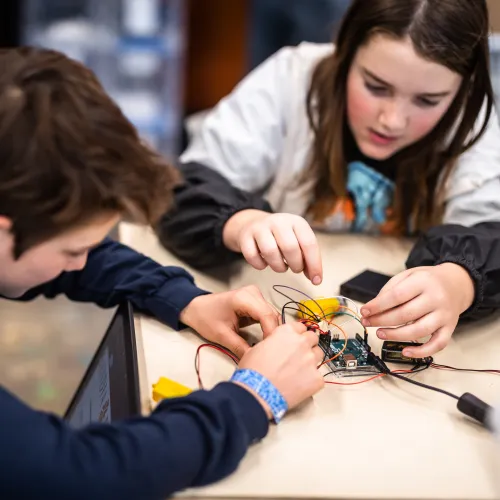 Nov12Robotics Program Powers Up With a STEM Lab GrantPrep's robotics program won a STEM lab g...See Details
 Nov5Latest Issue of ‘Influential Women’ Features Assistant Head of Middle School
“Hold high expectatio...See Details
 Nov2 Prep’s Mountain Biking Team Rides to a 3-Peat as State Champs! Prep’s Mountain Biking Team Ride...See Details
 Oct30Fastest Mid-School Runner in the State is a Sundevil!Sandia Prep's Dwight ('31) won the 2026 ...See Details

Recent Articles
- 11/12/26Prep Helps Build a Toolkit for School Cell-Phone Policies
- 11/12/26Robotics Program Powers Up With a STEM Lab Grant
- 11/5/26Latest Issue of ‘Influential Women’ Features Assistant Head of Middle School
- 11/2/26 Prep’s Mountain Biking Team Rides to a 3-Peat as State Champs!
- 10/30/26Fastest Mid-School Runner in the State is a Sundevil!