Apply
 Tour
 Inquire
 Affording Prep
 Giving
 Alumni
 SummerPrep
 Stay Connected
 The Prep Collective
 Prepnet Portals

Odyssey Scholars Program
In this two-year capstone program, students undertake in-depth explorations of academic or artistic projects. Scholars will prepare a final project based on the research they have conducted over the course of their two years in the program. This project will directly address their specific thesis and provide an answer to its essential question. The final project can take a variety of formats (i.e., research paper, extended lab, novel, book of poetry, full-length performance piece, gallery showing, etc.)
Odyssey project topics have included researching writing techniques and self-publication, exploring the connection between architecture and culture, analyzing media influence on public policy and politics, investigating the impact of climate change on coldwater fish in New Mexico, designing a theater-based video game, studying factors that influence behavioral disorders, creating kinetic energy converters to generate electricity, and promoting awareness about the neurodivergent spectrum.
The personal dedication Odyssey Scholars invest in their projects results in deep topic expertise and a solid foundation for their future endeavors.
Meet prep's Odyssey Scholars
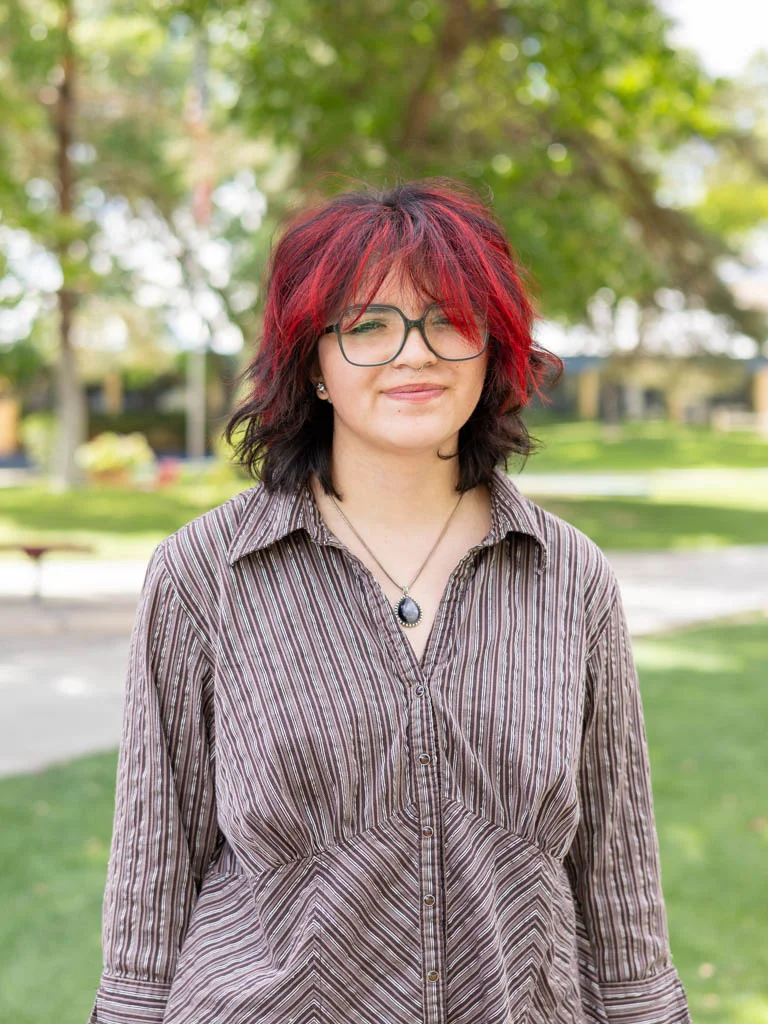
Analisa - Senior
Exploring Self-Expression Through Fiction Writing
Analisa has always been interested in literature, poetry, and writing. Ana plans to spend her time in the Odyssey Scholars Program learning how to develop a story, researching writing techniques and styles, and exploring self-publication. She plans to interview local New Mexico writers to learn about their different processes and perspectives of writing a novel; including the challenges within the publishing industry. Ana shared, “Writing stories matter to me because I want to leave a reader with something, such as a new perspective, or an enjoyable story to escape reality, or something to ponder more deeply. I would be able to contribute to the writing and reading world by creating something new that – hopefully – readers will love.”
Updates will be posted soon
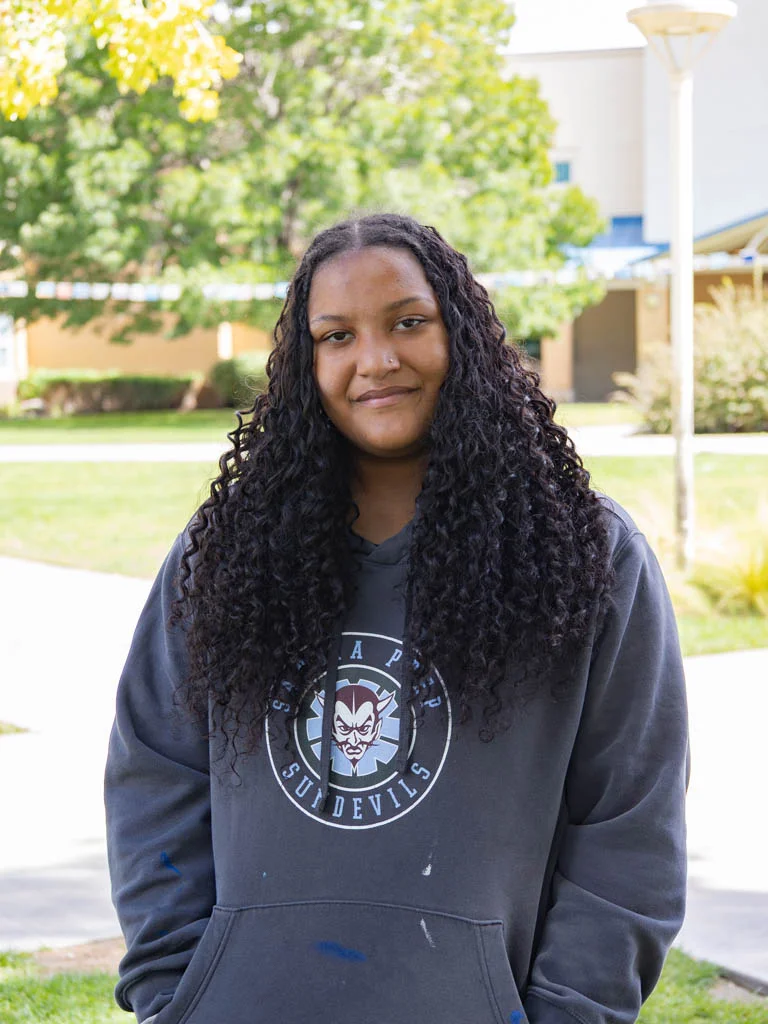
Beth - Senior
An Investigation of Racism in Foster Care and Adoption Systems
Beth will spend her time in Odyssey Scholars researching racism in the adoption and foster care system in New Mexico. Her research will focus on the role of race and ethnicity in the adoption process and how this might influence the process for children of color. She plans to take a holistic look at the diverse pathways, including foster care and adoption agencies, as well as evaluating how to accommodate diverse family backgrounds. Beth hopes to highlight the experiences of adopted children by exploring potential emotional and psychological impact of adoption on children.
September 2026:
What is currently your biggest hurdle or roadblock this month?
I also have been working hard on finding people to interview and community observations. The community observations have been a struggle because a lot of the people I'm working with have tight schedules and community observations are not easy to plan or execute.
What has surprised you this month?
One piece of research that stuck with me that helped a lot was New Mexico Courts Adoption Children's Court Self Help Forms. The New Mexico Courts Adoption website helped move my project along. The documents that were very useful to me are the Summons documents and the Emancipation documents.
What is the most impactful thing you learned this month?
The most impactful was over the summer I worked at UNMs psychology department and it helped with my project because I got to see how they interact with kids from CYFD and how the kids react when having to talk about their struggles. It gave me insight on how important it is that the adoption process does not put pressure on the kid due to the stress and anxiety it can cause for a young or older child.
Has your project evolved or shifted direction based on what you learned this month?
My project has not shifted much I have been working at my same goal and ending project.
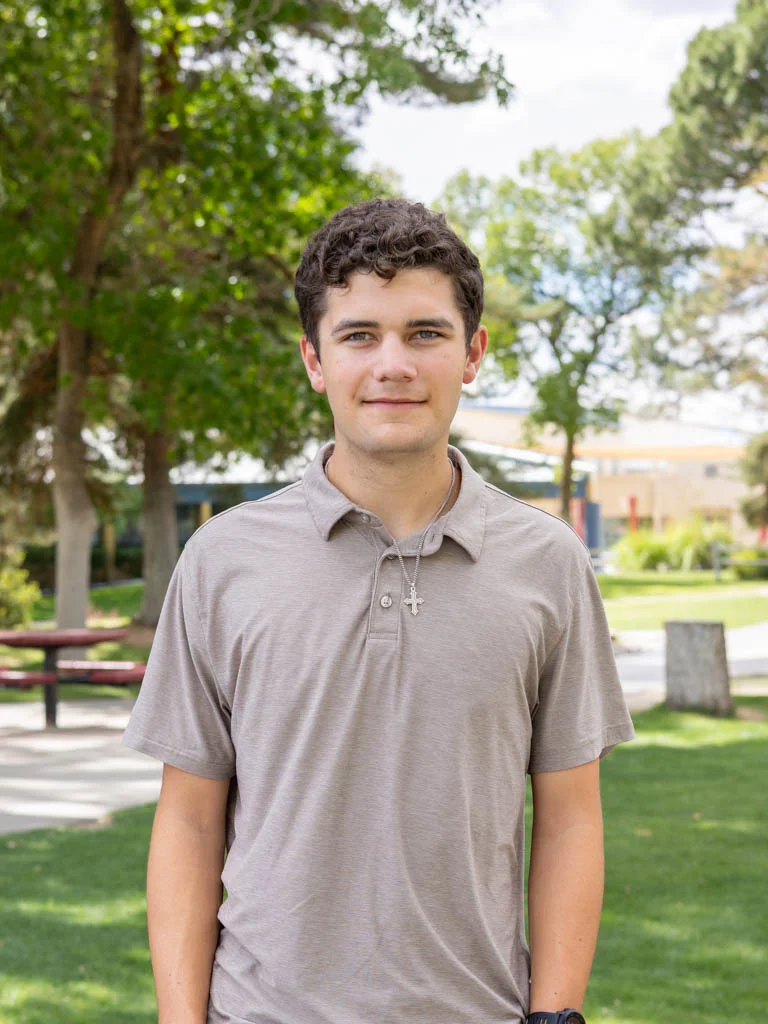
Brazill - Senior
Medical Science Technologies and Patient Treatment
Brazill will spend his time in Odyssey Scholars researching medical science, specifically in regards to the differences between medical specialties and how new advancements in medicine affect both patients and hospital staff. Brazill will research the different types of medical technologies and practices to better understand their function and role in medicine in order to explore potential career pathways. Through interviews and real-life experience, Brazill will investigate how doctors can treat patients effectively through personalized care, empathy, and diverse methods and strategies to produce positive end results. He is looking forward to diving into the world of medical journals and to better understand how common practices have evolved and changed from their initial development. Brazill said, “I feel that this program could be life changing for me since it will not only help me have a much clearer understanding and goal for what I want my future to be but also open several doors for me as a doctor by showing others what I am capable of as both a scientist and one day, a doctor.”
September 2026:
What is currently your biggest hurdle or roadblock this month?
Luckily, while it’s not always the easiest to know whether or not I still need more information to fully fill out a specific topic, it has made collecting the last few sources I need much more efficient and less time-consuming in the long run. Still, while collecting resources has been relatively easy, completing articles has been a major hurdle for me as I’m falling behind on my original plan and struggling to get a workable draft off the ground that I both like and can confidently present.
What has surprised you this month?
While I haven’t made any groundbreaking advancements with my project this month, the junior’s Odyssey elevator pitch and our yearly trip to the UNM libraries for resources have been an interesting instance of deja-vu of my own junior year. I don’t think there was any specific event that caused this feeling, I think it just felt interesting to view this situation from the experienced perspective this time around. Mostly, it just really hit home for me that I was on the more experienced side of this program now which was a nice confidence boost.
What is the most impactful thing you learned this month?
During my biotechnology course over the summer, one thing that truly sparked my interest was learning about superbugs, bacteria that had evolved strong resistances and deadlier effects in response to our own antibiotics. So when I found this book discussing a full picture of what it's really like to face a superbug and the science behind it and a potential solution, I was instantly hooked.
Has your project evolved or shifted direction based on what you learned this month?
Alongside recounting the science behind the adaptation of A. Baumannii that turned it from a harmless natural coexistence with humans to one of the 6 most dangerous superbugs in history, the story also explains how and why Phage Therapy research has been stunted over the years due to political, economic, and social bias as well as how, scientifically, it can serve as a powerful counter to antibiotic resistant superbugs.
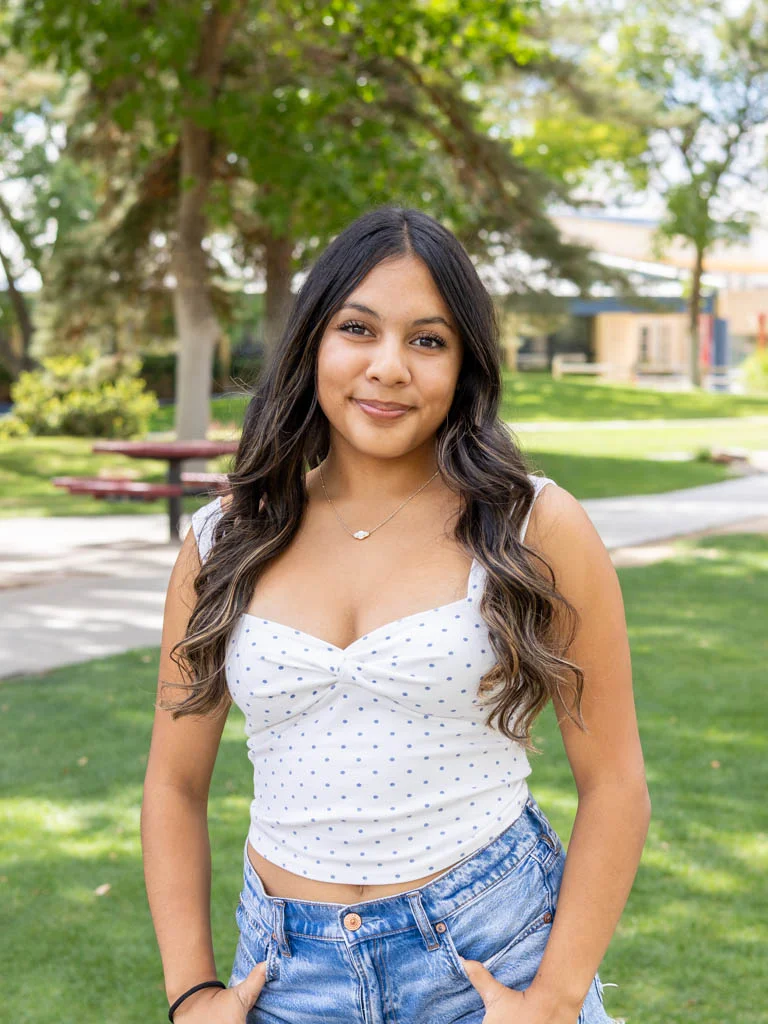
Eliana - Senior
An Exploration of Immigration Law and Human Rights in the United States
In Odyssey Scholars, Eliana will study immigration law and policies and how it affects immigrants' pathways to obtain citizenship, as well as the impact on their mental and physical health in the United States. Eliana recognizes the complex current political and societal landscape and hopes to engage with it through her research. She plans to interview professionals and individuals, as she seeks different, diverse perspectives on this complex topic. She said, “This topic interests me because I come from an immigrant family, and laws and rights regarding immigrants are important to me. I have always been passionate about the fair treatment of all people.” Eliana plans to use this opportunity in the Odyssey Scholars Program to prepare her for her future career in immigration law and as an advocate for the immigrant community.
September 2026:
What is currently your biggest hurdle or roadblock this month?
One challenge this month is that I have hit a productivity slump. This is not ideal; my goal for next month is to be far more productive and well-planned. I will accomplish this by writing what I need to do for each class so I have a clear to-do list. The year plan could help with this, but I feel very overwhelmed when I look at it.
What has surprised you this month?
I have also been pleasantly surprised by the community's feelings toward the Senior Odyssey Scholars at the welcome reception. There were a lot of questions for me and my peers about our projects and it felt nice for people to want to hear about them. I was also very excited to talk to Mr. Touma about my final product, and he gave me some very insightful feedback and ideas. I will definitely be reaching out to him for help in the future.
What is the most impactful thing you learned this month?
The most impactful thing I learned/did this month was finding sources at UNM. These sources will be extremely helpful for my annotated bibliography as well. The topics of the sources are topics that I usually have issues finding. One of these sources is about stories from unaccompanied minors in detention. This is huge for my research because stories of detention are often silenced by the media, and hearing about any perspective will influence and change the way I view detention.
Has your project evolved or shifted direction based on what you learned this month?
Right now, my project and objectives are on track.
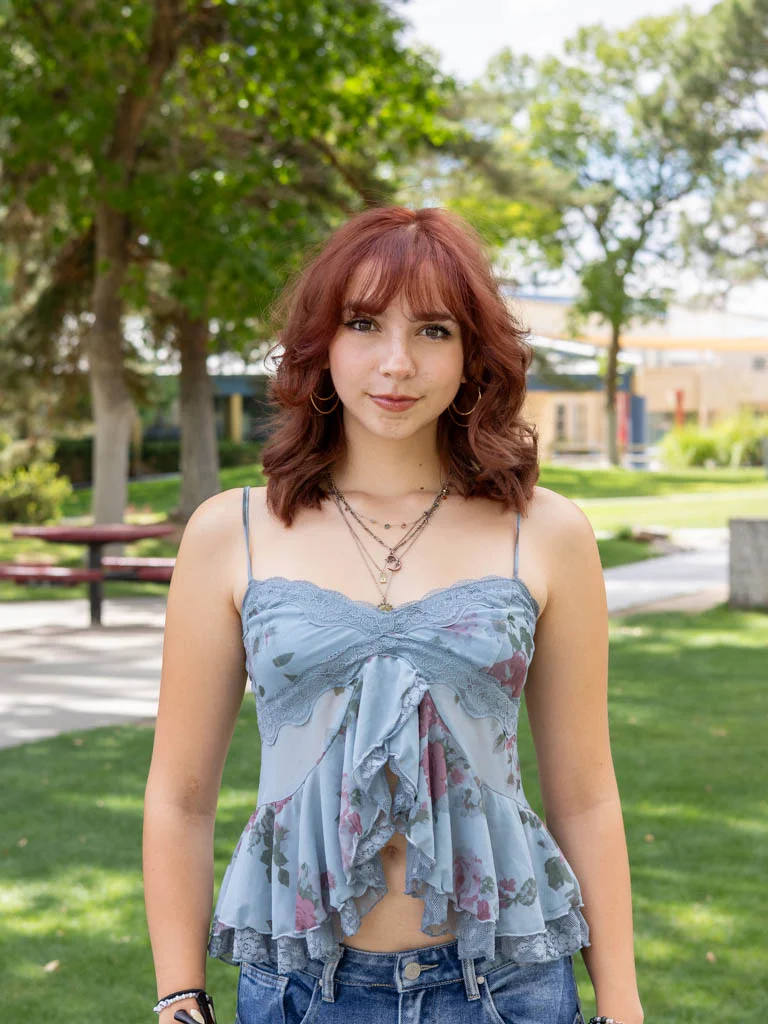
Elsa - Senior
An Exploration of Neuro-Personal Behavior through Moral Philosophy
In Odyssey Scholars, Elsa will study theoretical and conceptual moral philosophy and newer developments in neuroscience in order to better understand theories of mind and self. As part of her research she will study brain activity and behavior and how it relates to emotivism and rationalism. Elsa ultimately wants to explore the origin of human morality. She will be utilizing philosophy and moral dilemmas as a framework to explore neuroscience and its connection to cognitive morality and consciousness. She said, “I am so excited to expand my knowledge of the mind and brain and fully dedicate myself to its study. Though I know it will be difficult, I am ready to take on this challenge and learn extensively about two subjects I have passion for.”
September 2026:
What is currently your biggest hurdle or roadblock this month?
This month I officially kickstarted my study. I went up to the assembly and proposed my project to the Sandia Prep community. I was afraid that no one was going to want to participate but I actually got almost 20 applicants. About 15 people came up to me afterwards with questions and the rest emailed me privately. Now I am just waiting to receive their consent forms. While I have not set an official date for the study, I am planning to host it sometime in October.
What is the most impactful thing you learned this month?
This month I had my semester interview with Dr. Steve Verney. Dr. Verney is a cultural neuroscientist at UNM specializing in socio-economic status and its effect on mental health in marginalized communities. While he does not have any expertise in my specific Odyssey project, I thought that he could help me understand what I want to do in the future. I asked him questions about social neuroscience, cultural studies, and how to pursue a career in neuroscience. He taught me about research methodologies and how to report research findings on a large scale network. I plan to use his expertise in my college journey and future career.
Has your project evolved or shifted direction based on what you learned this month?
I also revised the moral dilemmas I will be asking and catered them more to deontological and utilitarian debates relating to personal and impersonal situations. An example of this would be the Trolley Problem and the Footbridge problem.
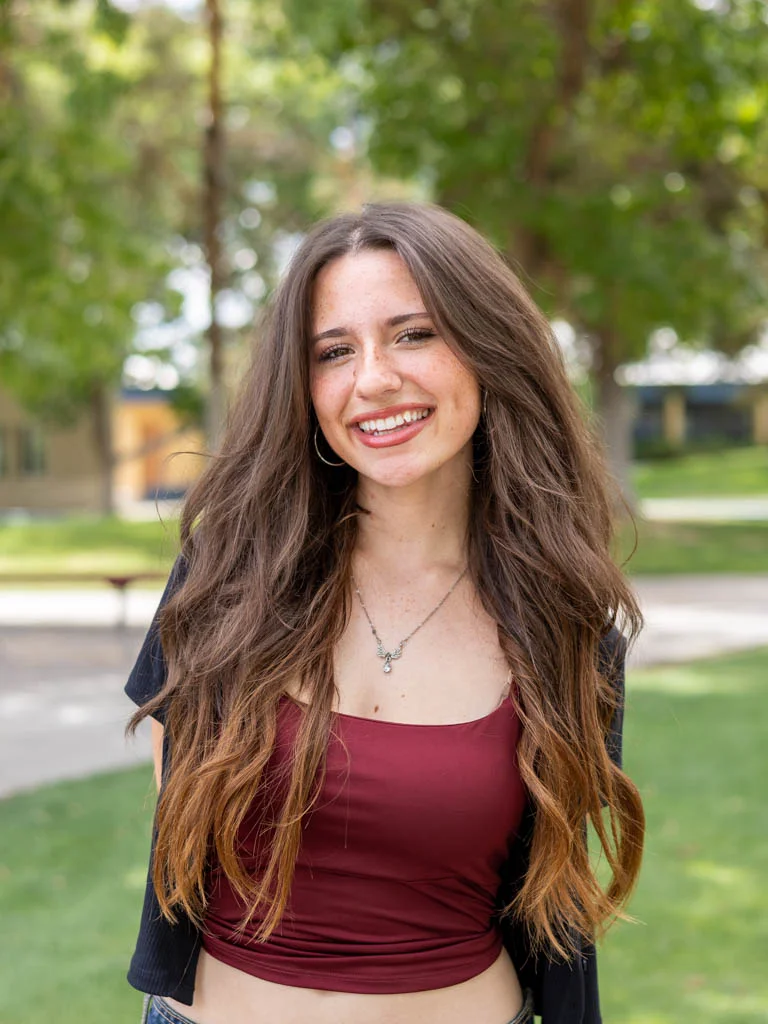
Kennedy - Senior
An Investigation of the Neurology of Obsessive-Compulsive Behavioral Disorders Within Adolescents
Inspired by community stories and her passion for adolescent social, emotional, and physical health, Kennedy will research various obsessive-compulsive behavioral disorders within adolescents and the correlation with anxious versus avoidant attachment styles. She intends to use a combined medical and psychological approach in her research, investigating the environmental, psychological, and situational factors that influence or contribute to these behaviors. Kennedy believes this will inform her future career path as a pediatric neurologist and hopes to raise awareness and work toward promoting positive change for healthy minds and bodies.
September 2026:
What is currently your biggest hurdle or roadblock this month?
Most of my previous research explores various obsessive-compulsive disorders, but lacks the behavioral component. A trip to the University of New Mexico let me gather analytical and scientific sources from multiple databases and helped me narrow my research to specific subcategories. This research also allowed me to recognize how obsessive-compulsive behaviors can be influenced by more than the disorder itself, and that early relationships and behavioral patterns often play an important role in how these tendencies develop.
What has surprised you this month?
This month, I reviewed scholarly medical articles exploring how different attachment styles affect a person's behavior in day-to-day activities, including relationships and social dynamics. My original thesis, that anxiously attached people show more obsessive-compulsive tendencies, was proven accurate. However, my research also showed me that this relationship is more complex than simply linking an attachment style to behaviors. Factors such as childhood experiences, emotional regulation, and individual coping mechanisms likely contribute.
What is the most impactful thing you learned this month?
This September has focused primarily on researching attachment styles, childhood patterns, and their correspondence with obsessive-compulsive behaviors.
Has your project evolved or shifted direction based on what you learned this month?
As I continue, I will delve deeper into the formation and impact of childhood attachment theory and how specific traits and tendencies contribute to the severity of obsessive-compulsive behaviors.
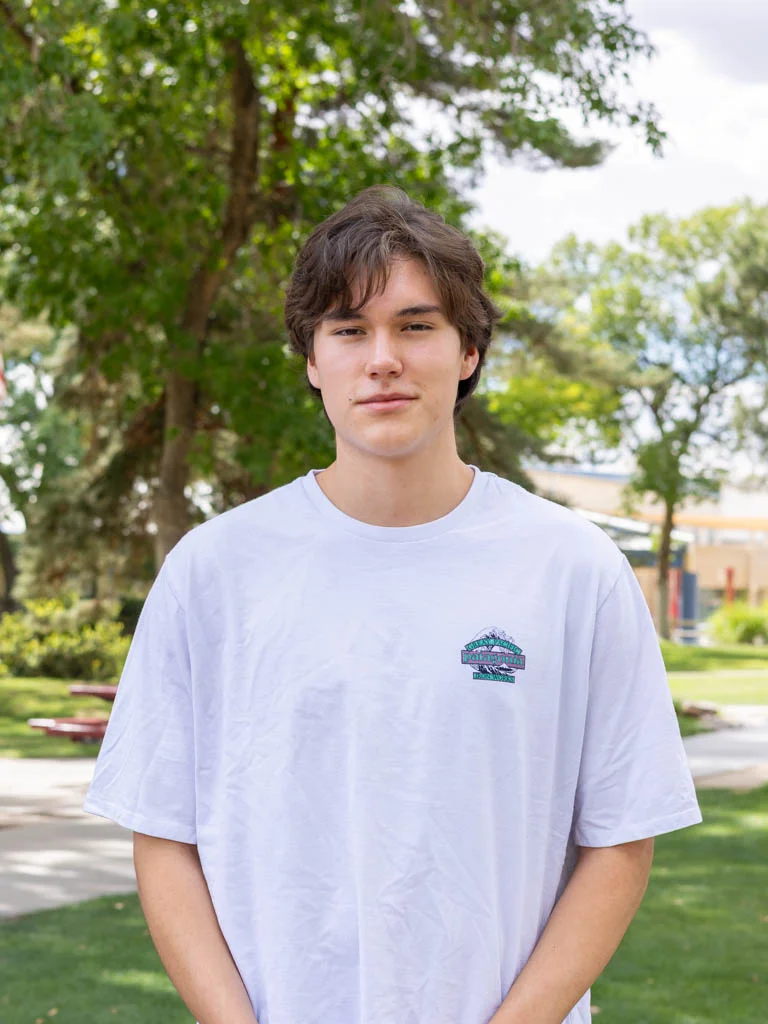
Linden - Senior
Environmental Assimilation: Tribal Sovereignty and the Importance of Eco-Resilience
By conjointly analyzing the histories of (a) transcontinental Indigenous social, economic, governmental, and resource management systems and (b) the colonial and settler-colonial erasure and dispossession of Native American peoples, Linden will report the precedent upon which Native communities experience disproportionate rates of food insecurity, climate vulnerability, and ecological instability. He strives to assert the inseparability of progressive sovereign nations and comprehensive eco-resilience. Additionally, Linden will outline a sustainable community management plan for the Navajo Nation rooted in their traditional practices and informed by leading scholarship in the fields of Indigenous Studies and Sustainable Development.
Updates will be posted soon.
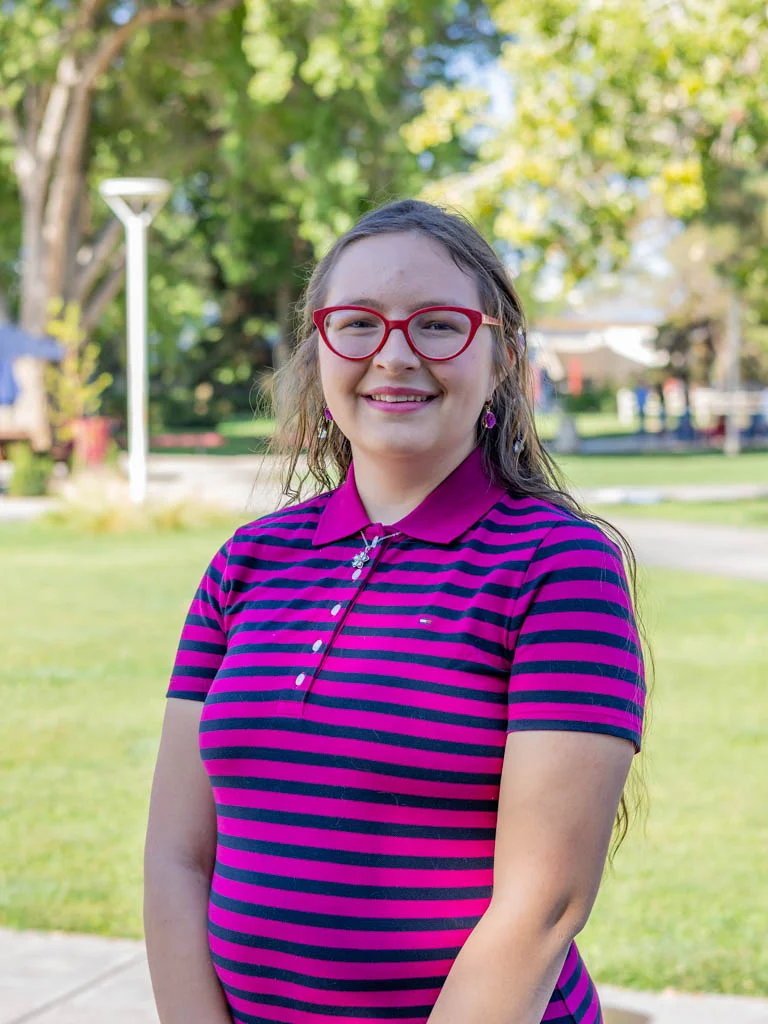
Lana - Junior
How Art Grants Access to Math
Lana has loved math since first grade, when she first started asking her teachers for more math classes. After math, her second favorite subject is art. Inspired by these passions as well as her attendance at MathFest over the last two summers, in Odyssey Scholars, Lana will be researching how visual arts are used to demonstrate mathematical concepts, ultimately to explore how art can be a bridge to accessibility. Lana has big plans to present her findings at MathFest and said, “when I share this poster at MathFest, and possibly other places, I would be contributing to the bigger discussion associated with the field of math and art.” In addition to Odyssey Scholars, Lana is the treasurer for the Thespian Society here at Sandia Prep.
September 2026:
What is currently your biggest hurdle or roadblock this month?
We had our field trip to the UNM library this month, which was also very fun, despite the rain. I couldn’t find many physical books on my topic, but I did find one on math art crafts and took photos of the chapter intros. I also found three articles online which I downloaded and plan to use for my annotated bibliography.
What has surprised you this month?
I was surprised to find so many articles on math art teaching, especially one from an actual college professor who taught a math for liberal arts class.
What is the most impactful thing you learned this month?
My favorite piece of research which I found was an article, titled “Mathematics in Metal” by Stephen Ornes. Ornes wrote about many metal sculptures, including a Klein bottle, a 4D structure, made out of 3D-printed metal, made by Bathsheba Grossman. Grossman starts by coding computer models of her artworks, then forms them in real life, demonstrating how visual art can represent mathematical models. Ornes’ article is a great reference for my annotated bibliography, as it is a simple example of how art can show math.
Has your project evolved or shifted direction based on what you learned this month?
My project hasn't really changed much this month, but I am enjoying learning about different artists, like Grossman, who create art to share math.
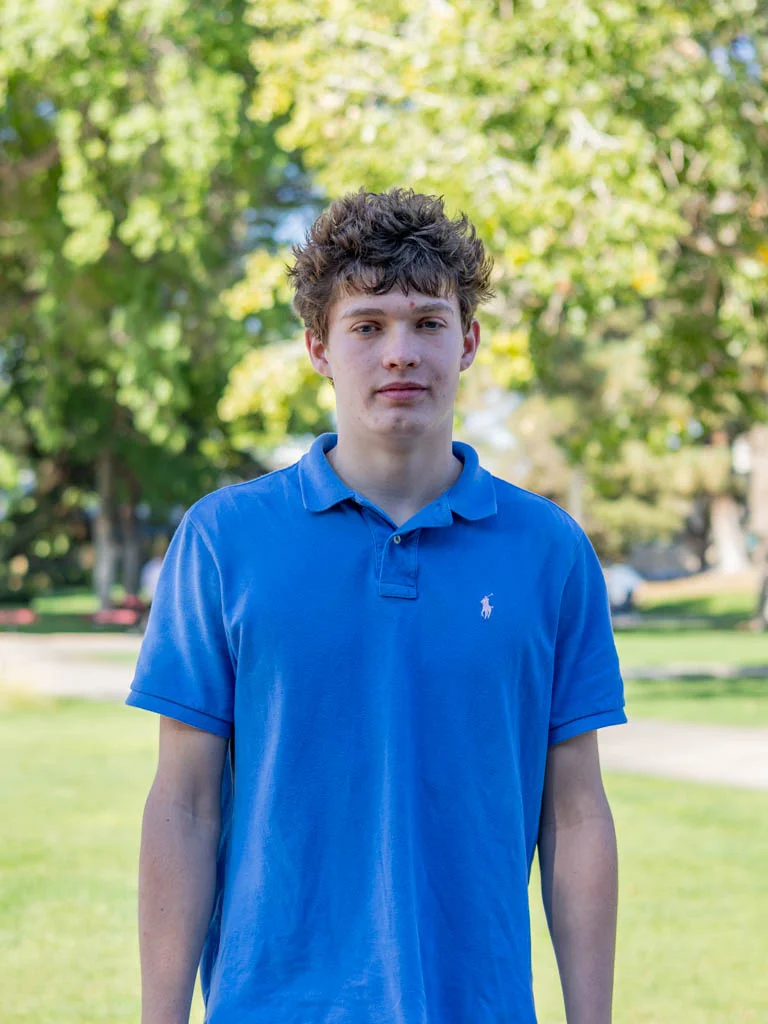
Max - Junior
The Methods of Green Architecture Stemming From the LEED Movement
Ever since a young age, Max has loved the outdoors and animals, which led him to be passionate about protecting the environment. Max said, “With all of the stuff going on about water being wasted with AI, I decided I would like to hone in on specific ways to save and reuse water, and combine it with architecture, since it is something that I am very interested in and would make for a great way to save water.” In Odyssey Scholars, Max will research methods of developing eco-friendly structures utilizing sustainable materials, recycled water, and renewable energy. Ultimately, Max plans to apply his research by evaluating how their techniques can be improved and revolutionized. In addition to Odyssey, Max is entering his third year on the Sandia Prep basketball team.
September 2026:
What is currently your biggest hurdle or roadblock this month?
My biggest hurdle this month was presenting my elevator pitch. After about a month of tediously writing, editing, and practicing together, we presented them in the Cafe. Going into my speech, I knew I would be nervous. I did not know, however, just how nerve-racking it would be. Prior to the elevator pitch, I had never presented a speech. Post-presentation, I can confidently say it was probably the most anxiety-inducing thing that I have ever done; that being said, I think my presentation was adequate.
What has surprised you this month?
I was surprised by UNM's limited book selection on sustainable architecture; I was only able to find a small section. They did have vast online access to articles, however.
What is the most impactful thing you learned this month?
The most impactful thing I learned was how politics can affect green building codes. While collecting sources in the UNM library, I read a research report: Rapid Construction of Buildings Need Heat Resilience and Thermal Comfort Measures by Anumita Roychowdhury and Sharanjeet Kaur, about the rapidly increasing floor space without stringent building codes in Nigeria and the Democratic Republic of the Congo. These issues create an opportunity to implement green building codes and passive architecture. While the article didn’t go into depth about the specific methods, I found it interesting how politics can influence the green standards of building, and I am definitely going to look into the political side of Sustainable Architecture.
Has your project evolved or shifted direction based on what you learned this month?
My project has shifted from looking at many places around the world to specifically focusing on the Southwest.
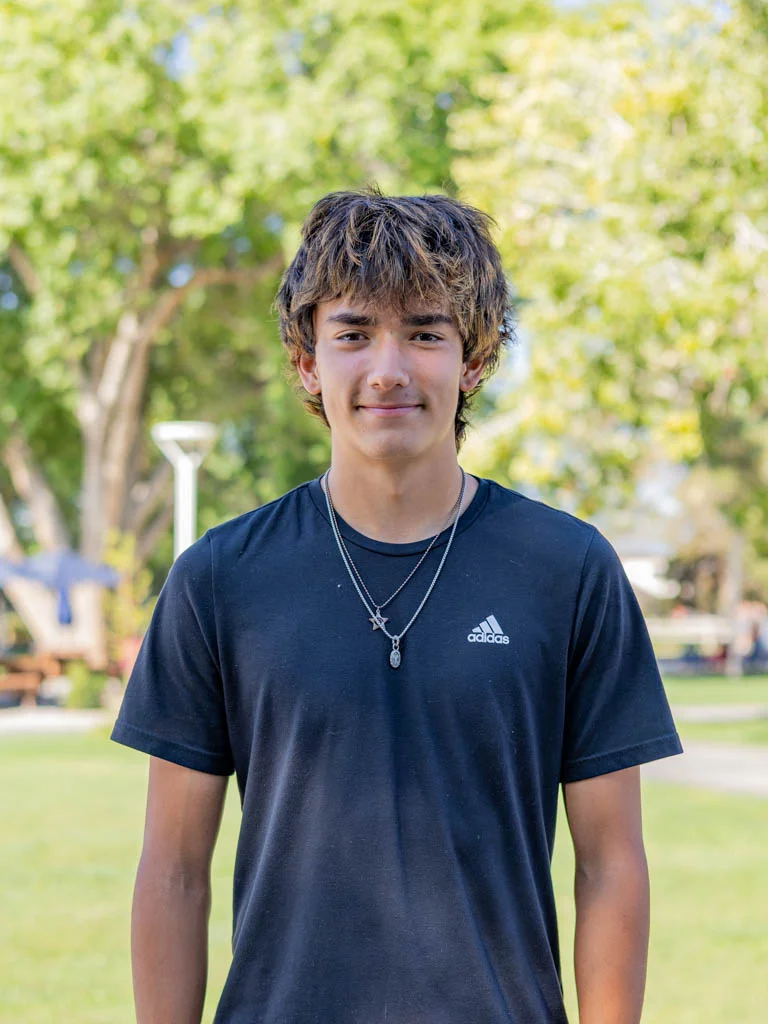
Nico - Junior
The Intersection Between Art and Psychology
Nico has always been interested in both art and how the brain works. He often wondered why he got scared when he saw certain things, and why he felt nostalgia for others. For him, art is a window into the human mind and experience. In Odyssey Scholars, Nico will dive into the world of psychology and visual arts. He plans to research artistic movements and how these styles and techniques evoke a spectrum of emotions, applying this research in his own artistic explorations. Nico said, “I want to show art in a different way, and try to capture other’s perceptions in the same way certain media has captured mine.” In addition to Odyssey Scholars, Nico is entering his third year on the Sandia Prep soccer team.
September 2026:
What is currently your biggest hurdle or roadblock this month?
Passport to Prep was exhausting. Even though not many people came to visit and talk, everytime someone did, it was strangely difficult. My description of Odyssey kept changing for each person that I encountered, and I kept missing more and more details as time went on. I was also very nervous for my elevator pitch, but I pulled through.
What has surprised you this month?
The difficulty of each annotated bibliography surprised me the most. It is only 200 words, but it feels like it took an eternity to write my first. I am improving, however, and hopefully the process will slowly become simpler as time goes on.
What is the most impactful thing you learned this month?
The most interesting piece of research this month was an article I read, written by Antonia Larrain about a book called The Psychology of Art by Lev Vygotsky. The perspective of Vygotsky in his work interested both me and the author of the article. He said that art is not a formalistic technique or a cultural instrument used to amuse people, but a cultural activity that plays a role in the production of individual life. In short, he thinks that art is made not for the viewers but for the artists themselves.
Has your project evolved or shifted direction based on what you learned this month?
It has not, I am still in the general direction of art and psychology.
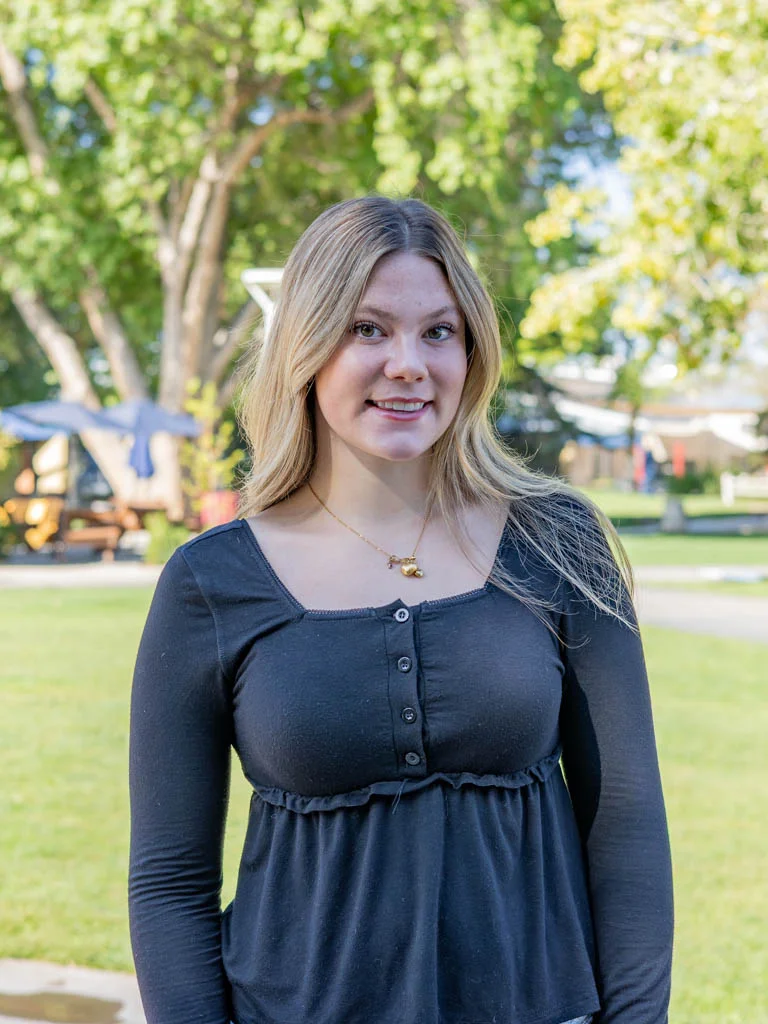
Olivia - Junior
Adolescent Beauty: The Digital Loop of Comparison
Inspired by an exhibition she visited at the Centre de Cultura Contemporània de Barcelona in Spain, Olivia will spend her time in Odyssey Scholars researching the effects of media on adolescent girls in the United States. She plans to research body dissociation and how this is influenced by societal beauty standards. Ultimately, Olivia hopes to highlight the importance of humanization and the celebration of each individual’s unique beauty in the face of objectification and dehumanization. Olivia said, “It matters to be, because I am a 16-year-old girl who is constantly comparing myself to other girls. With new tech coming out, it can make you feel like you need to get involved with it. You feel obligated.” In addition to Odyssey Scholars, Olivia is the Head of External Affairs with the Impact Lab here at Sandia Prep.
September 2026:
What is currently your biggest hurdle or roadblock this month?
My biggest roadblock was refining the topic I actually want to study. I had so many ideas, but I was conflicted about which idea I wanted to pursue.
What has surprised you this month?
The annotated Bibliography has surprised me the most this month. I thought I would hate the process, but I really enjoy analyzing the source, and learning who the author is as a person.
What is the most impactful thing you learned this month?
I have learned about the comparison between Western and African Philosophies. I developed ideas about how beauty is defined while keeping in mind the historical value of beauty standards.
Has your project evolved or shifted direction based on what you learned this month?
My Project has evolved from being only about how beauty standards affect adolescents to the culture and history of beauty. More specifically, how did these current beauty standards develop?
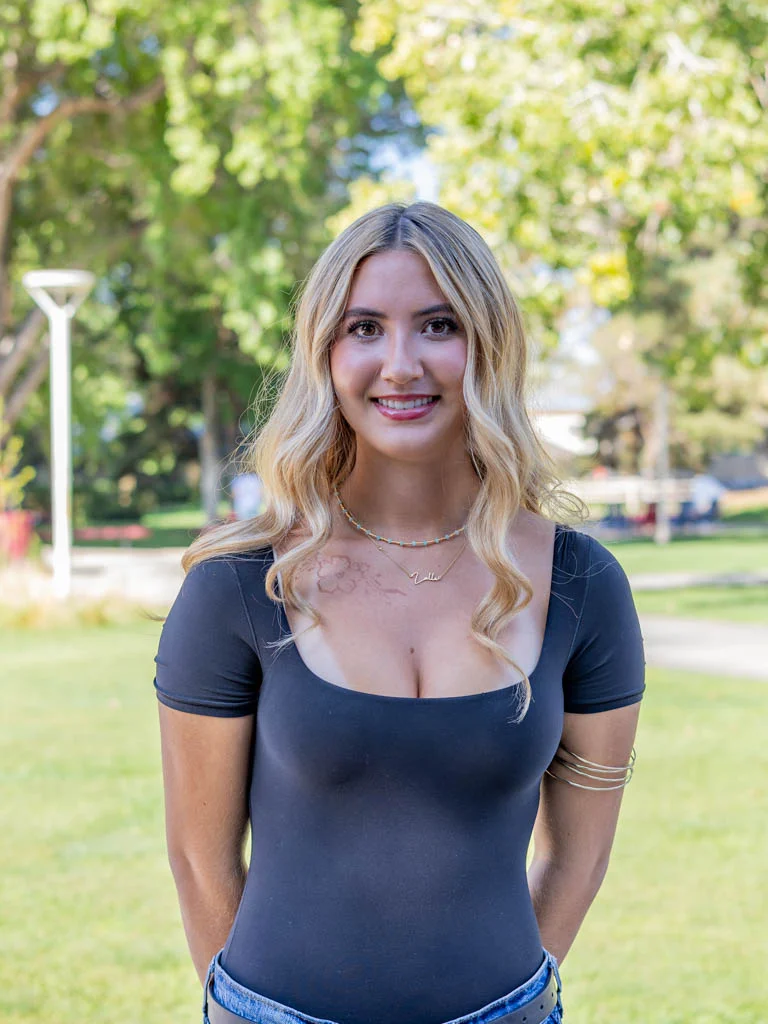
Zoelle - Junior
The Ethics of Crime in Media
Ever since Zoelle was young, she has been captivated by mystery. Her interest in crime novels, movies, or news developed into a fascination with criminology, and a desire to dig deeper into cases. In Odyssey Scholars, Zoelle plans to research criminal psychology, social media and the sensationalization of crime, ultimately to understand the influence and role of media producers and journalists in the presentation of fact-based evidence as well as ethical questions and dilemmas. Zoelle said, “ I hope my project will aid me in identifying how crime media should be used and how it can be improved ethically. If your darkest moments were being broadcasted across the world, how would you want your story to be perceived?” In addition to Odyssey Scholars, Zoelle is on the tennis team and a member of the theater program at Sandia Prep.
September 2026:
What is currently your biggest hurdle or roadblock this month?
As September comes to an end, I’ve begun reflecting on the progress I’ve made on my Odyssey Project. By September 1st, I had started the month strong with a complete first draft of my Elevator Pitch. Originally, I had written three and a half pages of content for my speech, but after many revisions, I was able to cut it down to two pages. As a class, we then rehearsed and recited our speeches for each other for over two weeks, receiving feedback along the way. The Elevator speeches were finally presented about a week ago and I am very pleased with how I did. I believe I had good intonation as well as volume. If I was to go back or do it again I would have slowed down more to really let the words sink into the audience. After presenting our speeches we've moved right into our annotated bibliography. On Wednesday September 23rd, we took a class field trip to the UNM library to search for sources. Since I began my annotated bibliography this summer, I only need four more entries. Regardless, I still found the library and sources very fascinating. I was surprised to find an article directly judging Monster, a fictional tv-show that promotes non-ethical recapping of brutal crimes. I have not yet had the chance to fully read through the article, but I am excited to do so. Overall, September has felt very rewarding and fulfilling, and I am happily surprised that the workload has not yet felt stressful.
What has surprised you this month?
I have been pleasantly surprised at the work load this month. Though it has remained consistent, it has not yet reached an overwhelming point, and instead appears managable.
What is the most impactful thing you learned this month?
On September 17th, 2026, a new season of Ryan Murphy’s Monster came out. Monster is a crime drama series that tells the stories of real-life criminals and the crimes they committed. The new season follows a fictional retelling of Lizzie Borden. Lizzie Borden lived in Fall River, Massachusetts and when she was 32 years old, her father and stepmother were found brutally murdered by an ax. She was taken to court for the murders, but found innocent. No other individuals have ever been charged. Though the season is based on real events surrounding Lizzie Borden and the crime, there are many creative liberties and fictionalized details added. This creates a dramatized and sensationalized feel. This show in particular is very poor to use as a source considering the multitude of fictional characters and details, but I am very interested in finding out what the real details of the story are. While at the UNM library I found an article, “From Trauma to Entertainment: An Examination of Netflix’s Dahmer-Monster: The Jeffrey Dahmer Story Series,” By Sorin M.S. Krammer criticizing Monster and by reading it I hope to understand the show and overall fiction media based on true crime.
Has your project evolved or shifted direction based on what you learned this month?
When I first applied to the program, I wanted to focus on criminology. In August, I decided to narrow my topic down to the journalism side of true crime. Since then, my project has focused more on how true crime is presented in the media, how it affects young audiences, and why ethical journalism is important.