Apply
Apply Tour
Tour Inquire
 Affording Prep
 Giving
 Alumni
 SummerPrep
 Stay Connected
 The Prep Collective
 Prepnet Portals
Encouraging Resilience: The Space Between Comfort and Overwhelm
January 21st, 2026


Hello Sandia Prep Community,
It’s hard to believe we are more than halfway through the school year. The year so far has been filled with activity and energy, and our students are actively engaged in classes, sports, arts, and activities. Hopefully, the recent winter break allowed them some time to relax and rejuvenate.
Over the last several months, I have found myself returning to the same question when I’m visiting classes or watching athletic competitions or performances: What do our students need from us now? What will set them up for success in the future, both tomorrow and five, ten, even twenty years from now?
I’ve spoken frequently about the rapidly changing world and how that has shifted what will be most helpful for our students. A growing body of research around developmental psychology, neuroscience, and education points to a clear answer: in a constantly changing landscape shaped by uncertainty, resilience can no longer be viewed as a secondary outcome. Instead, it is a foundational capacity that our students need to learn, practice, and experience over time.
In the past, resilience was viewed as simply a synonym for grit, toughness, or endurance. But recent research from the American Psychological Association and other researchers studying adolescent development increasingly describes resilience as a set of learnable skills: adaptability, emotional regulation, purpose, and the ability to recover and learn from setbacks.
This notion aligns with conversations we have been having as a faculty. When we talk about reinforcing relationships, making time for reflection, and expanding experiential education, we are working to create conditions in which students can practice these skills in real time, with real support. Resilience grows not when students are protected from challenge but when they feel known when facing it.
Research shows that resilience grows in that space between comfort and overwhelm. When there is not enough challenge, students don’t develop confidence. But when there is too much, they shut down. The key is finding that area that is uncomfortable but not overwhelming. Schools play a critical role in discovering this balance. We work to provide meaningful challenge, not just rigor for rigor’s sake; opportunities for reflection, so students can make sense of difficulties and strategies to overcome them; and real-world learning, where outcomes are not always predictable. And, most importantly, our faculty put themselves out there, normalizing struggle and modeling responses to setbacks.
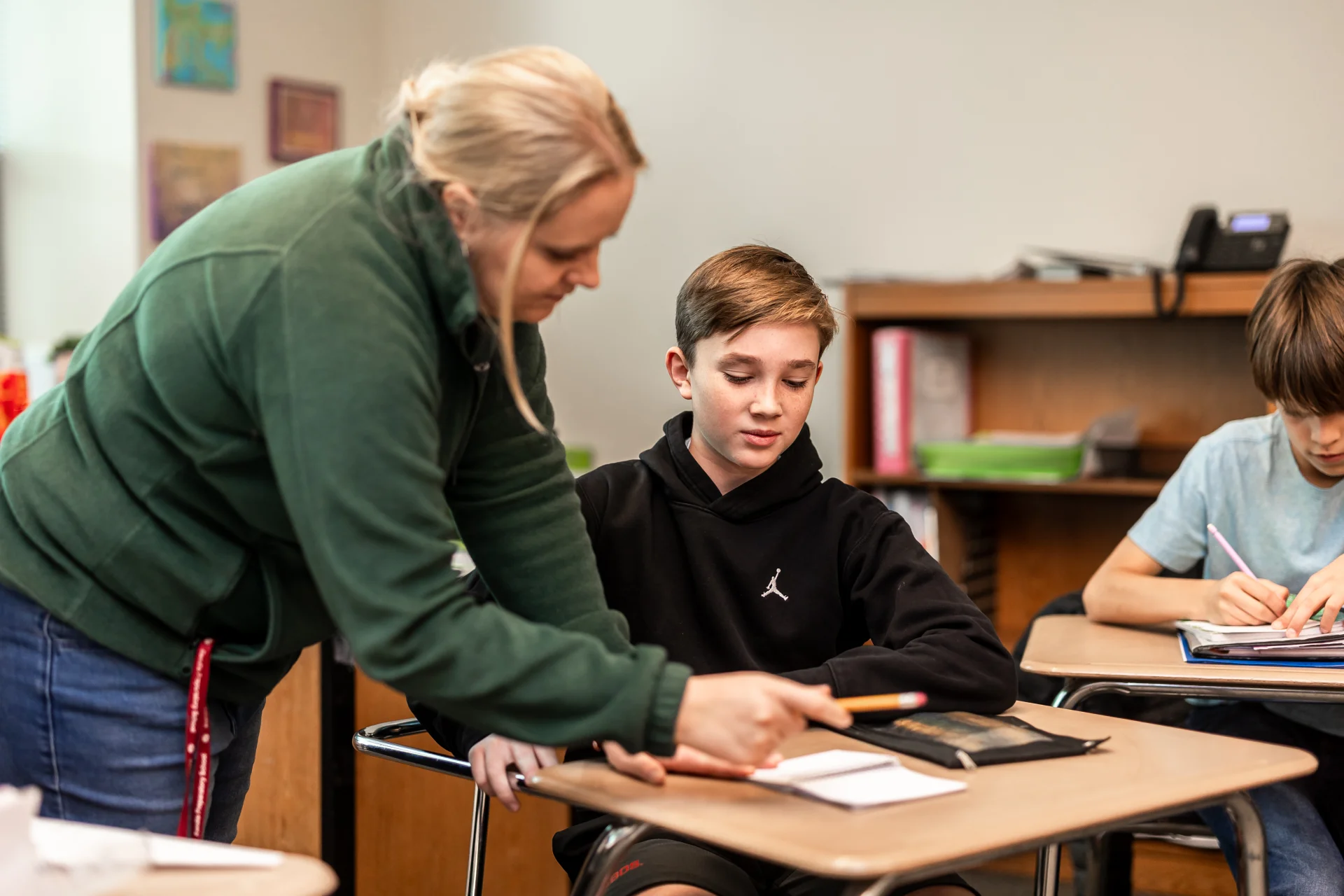
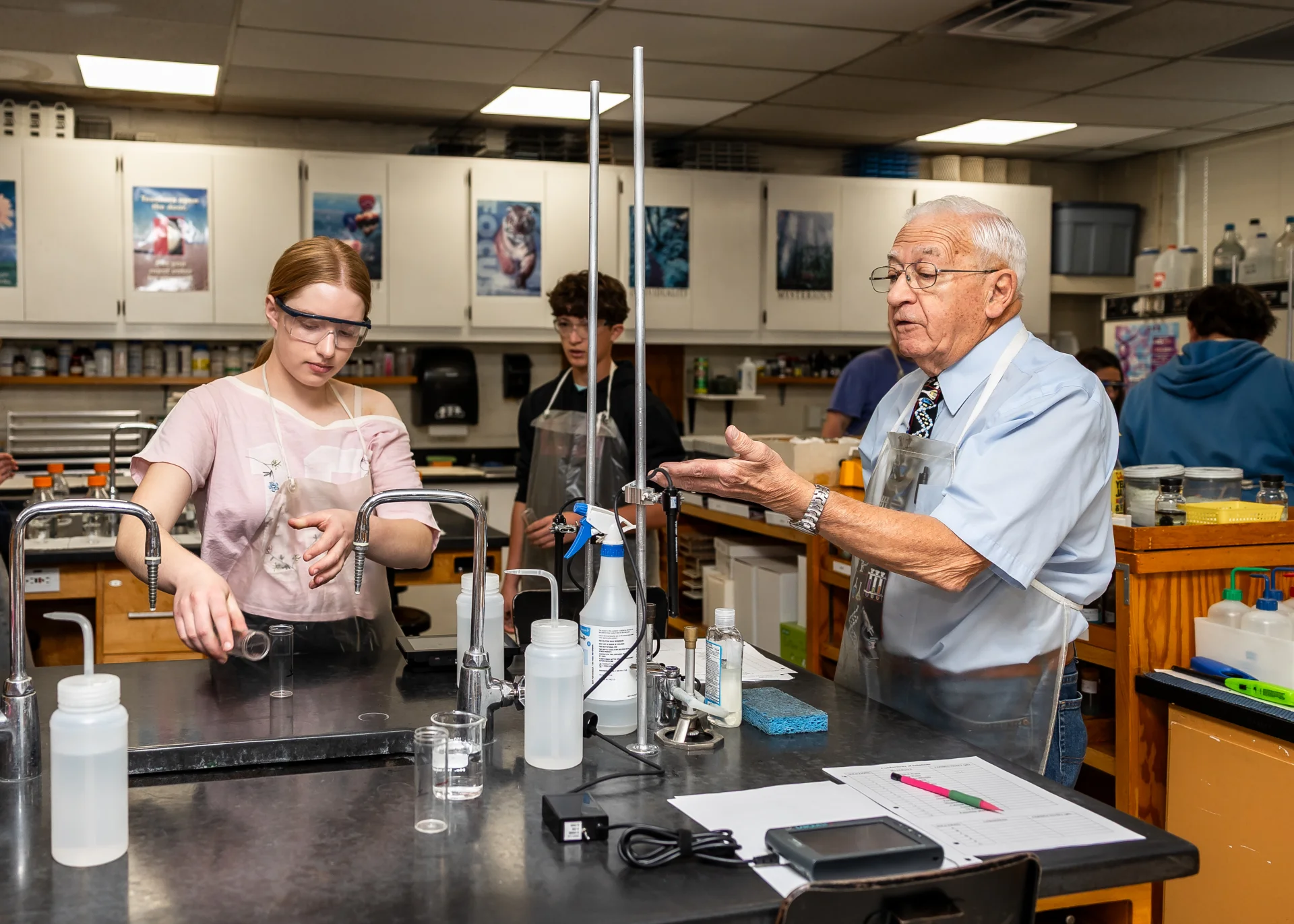
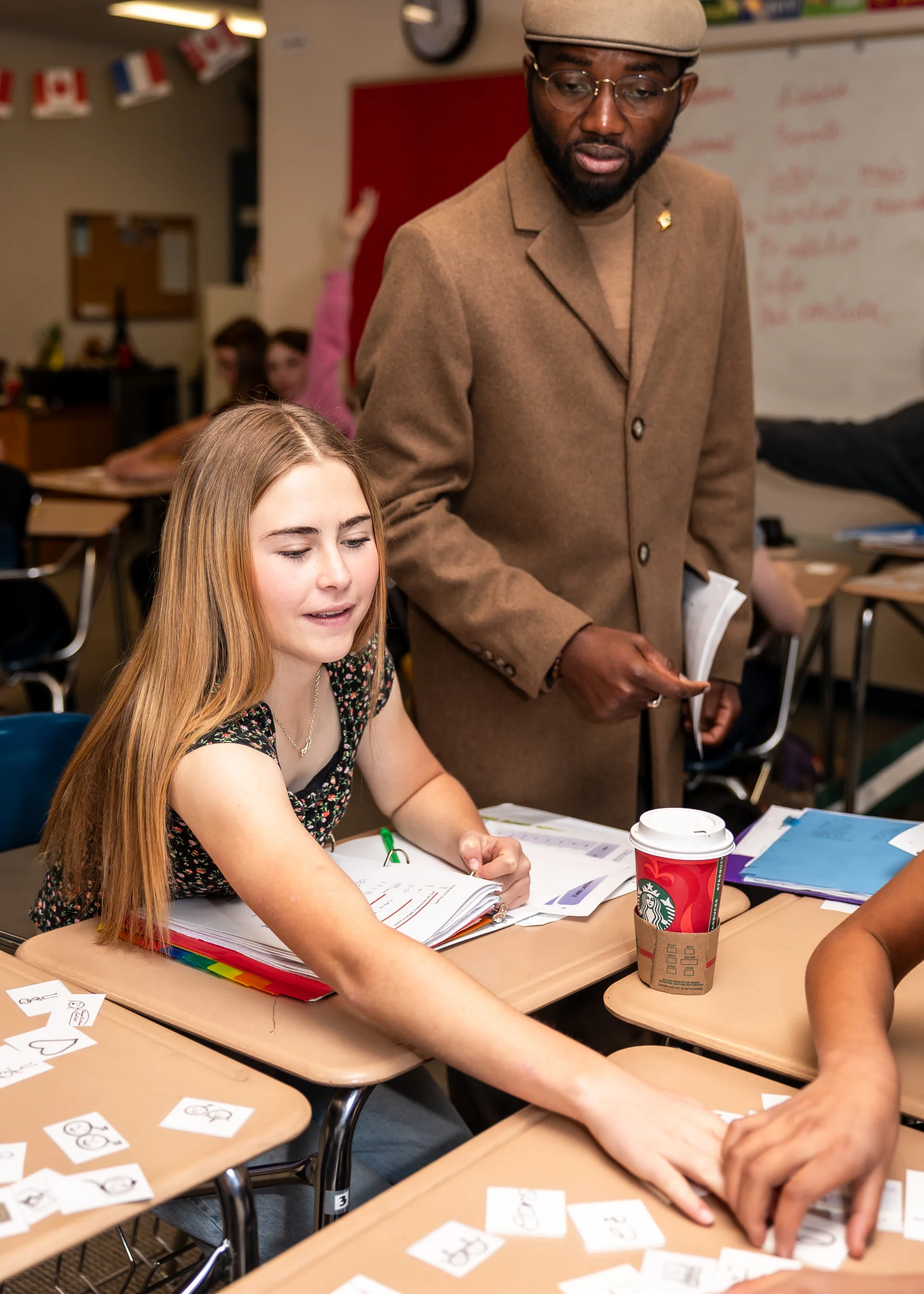
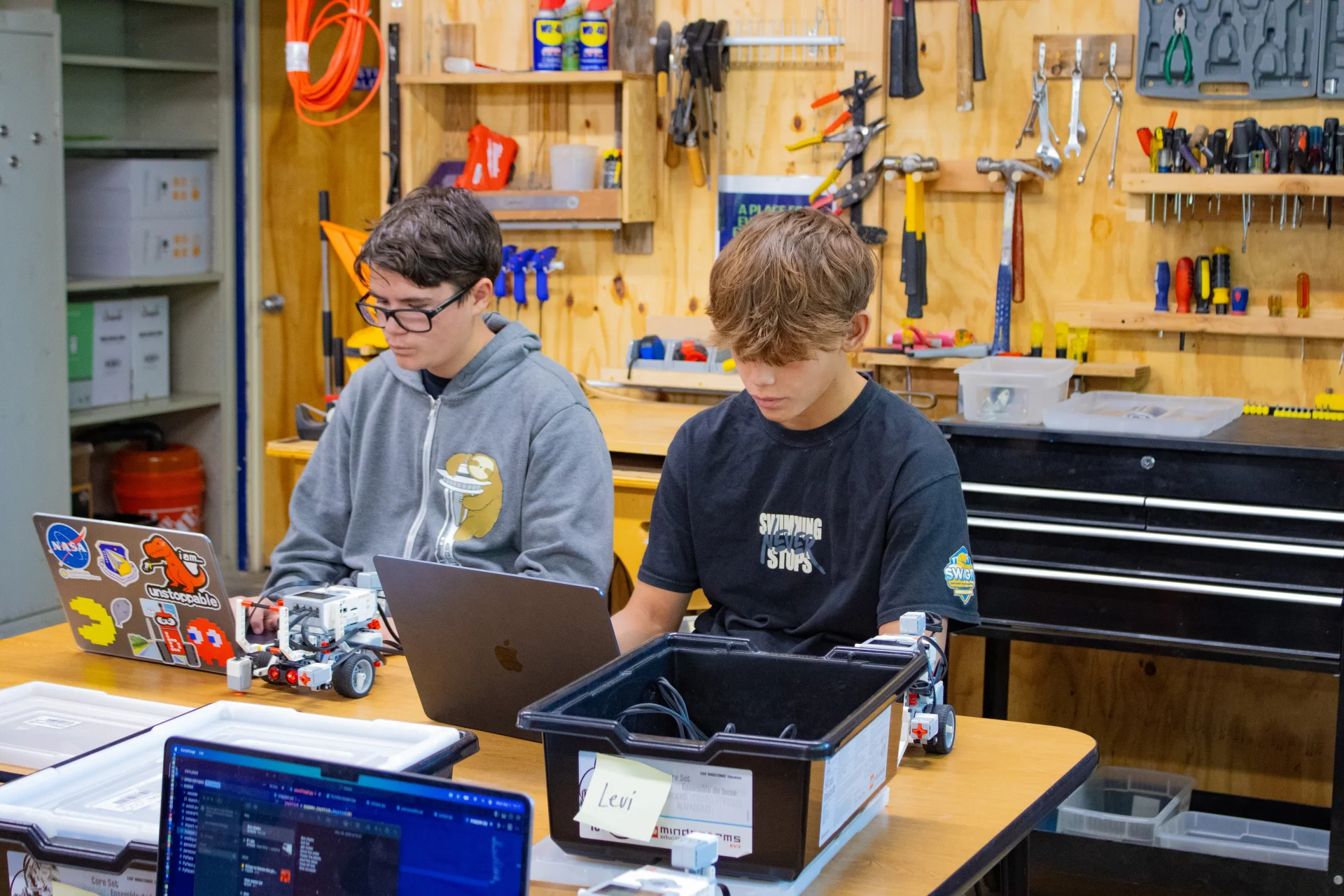
This work is visible in classrooms, on the athletic fields and courts, on stage, in advisory, and in the Impact Lab. Students are engaging with authentic problems, learning that iteration, feedback, and even failure are part of the learning process. When students encounter difficulties, the message isn’t just about trying harder, it’s about reflecting on what happened and using that understanding to try differently.
Parents often ask how they can best support their children to develop resilience. It’s challenging to watch our kids struggle, and we are often tempted to come to the rescue. Julie Lythcott-Haims, author of How to Raise an Adult, reminds us that when we step in too quickly, we signal to our kids that we don’t believe they can handle difficulties themselves, and they don’t get the chance to develop that resilience that is so instrumental. Still, this doesn’t mean that we need to step back entirely. Instead, research points to small shifts rather than big interventions. The more we can ask curious questions, help our kids name how they are feeling, share stories of our own missteps and challenges, and emphasize growth and learning over outcomes, the more we can support them in facing obstacles with curiosity and confidence.
Many of our students will navigate careers that don’t even exist yet, will need to solve problems that don’t have clear answers, and will be leaders in increasingly complex communities. Academic preparation and skills matter. But resilience is what allows students to use what they know when things don’t go according to plan. In other words, they’ll know what to do when they don’t know what to do.
As a community - school and parents together - we have an opportunity to send a powerful message to our students: struggle is not equivalent to failure. It is a normal, expected, and valuable part of learning. When students believe that, they don’t just persist, they thrive.